
Uruguay - EPR for batteries
by Jennifer Brook at 14:07 in Battery, Content, Environmental
Uruguay has released a law partially implementing EPR regulations for batteries and accumulators, including those for electric vehicles (EVs), placed on the market across the country. It also repeals and replaces the existing 2003 law on lead-acid batteries. This means that Uruguay's status for batteries EPR can be considered as Mandatory, but not yet fully implemented.
The legislation, Decree No. 277/2025, includes regulations for many players across the production chain, which are summarised below.
Which batteries are obligated?
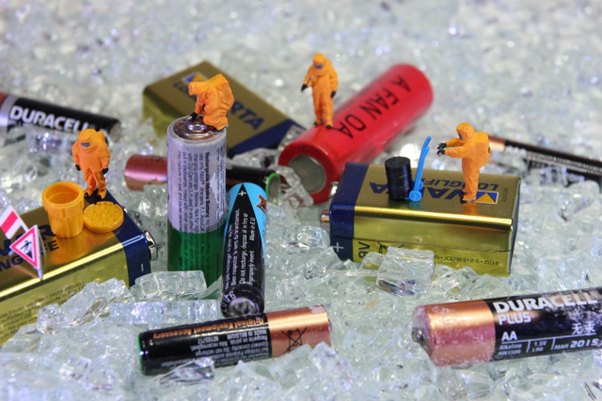
This law obligates batteries with a capacity of over 1 kilowatt.
It includes batteries, accumulators, button cell batteries and supercapacitors.
It does not matter the chemical composition, shape, volume or weight. It includes batteries for vehicles, whether they be vehicles for land, sea, air, or even agricultural machinery.
Furthermore, the scope of the law includes batteries used in stationary energy storage systems that have a capacity of over 2 kilowatt-hours.
Producers
Producers (meaning manufacturers and importers) of obligated batteries have several requirements under the law. One is that they are required to adhere to a Master Plan for battery waste management. The Plan can be created either individually or collectively by multiple manufacturers and importers, although the mechanisms to do so are still unclear. Each Plan will have to be approved by the Ministry of Environment before going live. This law also requires manufacturers and importers to register with a national authority, and to follow digital labelling rules, which will be determined in a future regulation. The Plans would eventually require producers to report data to the Ministry of Environment, 'within the deadlines established by the Ministry', but that date is not yet specified. It is mandatory to register with the Ministry of Environment, but reporting requirement details still need to be finalised, which is why this law can be considered as partial rather than full implementation of battery EPR in Uruguay.
Producers of lead acid batteries
Manufacturers and importers already had to register their lead-acid batteries with the government since the early 2000s. Now, manufacturers and importers of other obligated batteries must also register with the Ministry of Environment.
The existing lead-acid battery producers are given until summer 2026 to re-register with the Ministry of Environment, and other producers of obligated batteries have longer, until the winter.
Distributors and Points of Sale
Distributors and Points of Sale of obligated batteries must receive used batteries from members of the public, and have a designated area for the temporary storage of said waste. They must not charge consumers to return used batteries, nor require consumers to buy a new battery or product before being able to return used batteries for further waste disposal.
Eager to learn more?
Would you like to learn more about whether your business might be obligated under this law? At Lorax EPI we offer a range of services to help you, including a Compliance Assessment to assess if and how you may be obligated, along with other services. If you would like to learn more, reach out to one of our team today.
 Click here to receive regular updates on blog posts, webinars, and regulatory changes directly to your inbox
